
Hearing the words "you have skin cancer" is a moment no one ever forgets. Your mind immediately starts racing with questions about what comes next, how it will affect your life, and who you can trust to help you through it. If you have recently received a diagnosis or are concerned about a changing mole, know that you are in a place with some of the best medical care available.
At Western Reserve Dermatology, we see patients every day who are facing these same fears. As a leading dermatologist in Beachwood, OH, our goal is not just to treat a condition, but to care for a neighbor. Skin cancer is incredibly common, but it is also highly treatable when caught early. Let’s take a deep breath together and walk through the modern treatment options available right here in our community.
Why Early Detection Matters
We may not have the constant sunshine of Florida or Arizona, but skin cancer remains a significant health concern here in Northeast Ohio. From summer days at the lake to winter ski trips, our skin is constantly exposed to UV radiation.
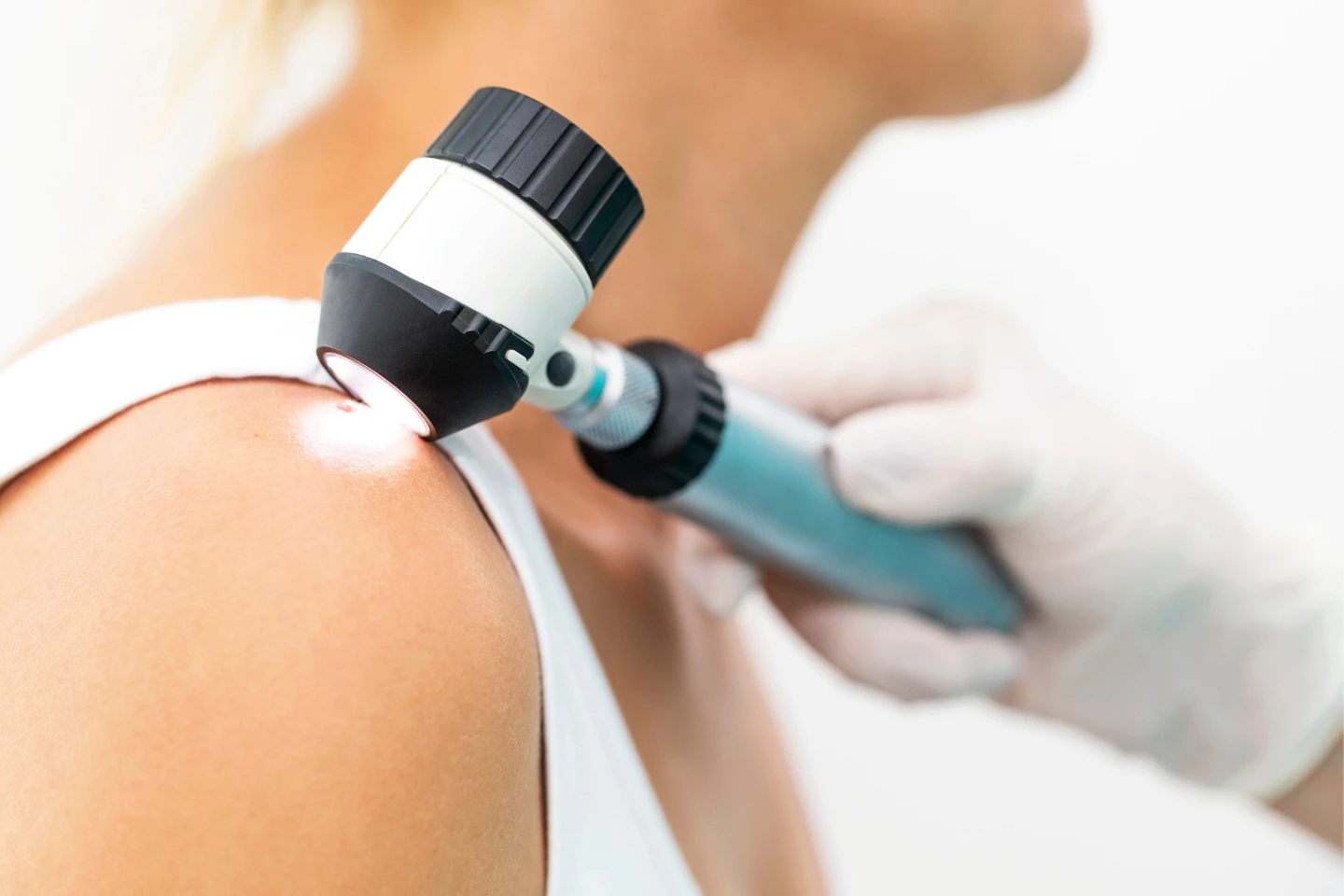
When you visit a dermatologist in Beachwood, OH, the first step is always a thorough skin exam. Early detection is the "secret weapon" of dermatology. When we catch basal cell carcinoma, squamous cell carcinoma, or melanoma in their earliest stages, the treatment is often simple, quick, and highly successful. At Western Reserve Dermatology, we emphasize that a yearly checkup is the best way to ensure that if something does pop up, we can handle it before it becomes a bigger problem.
Common Types of Skin Cancer and Their Treatments
Not all skin cancers are the same, which means the treatment plan your doctor creates will be unique to you. Here are the primary types we treat at Western Reserve Dermatology:
Basal Cell Carcinoma (BCC)
This is the most common form of skin cancer. It usually grows slowly and rarely spreads to other parts of the body. Because BCC often appears on the face, neck, or hands, a dermatologist in Beachwood, OH, focuses on treatments that remove the cancer while preserving as much healthy skin as possible to minimize scarring.
Squamous Cell Carcinoma (SCC)
SCC is the second most common type and can sometimes be more aggressive than BCC. It often looks like a scaly red patch or a firm bump. If left untreated, it can spread, so prompt treatment at Western Reserve Dermatology is vital.
Melanoma
This is the most serious form of skin cancer because it has a higher chance of spreading to other organs. However, when a dermatologist in Beachwood, OH, identifies melanoma early, the survival rate is excellent. Treatment usually involves a wider surgical excision to ensure all dangerous cells are removed.
Surgical Treatment Options
For many patients, surgery is the most effective way to ensure the cancer is completely gone. At Western Reserve Dermatology, we use several different surgical methods depending on the size and location of the lesion.
Mohs Micrographic Surgery
Mohs surgery is often considered the "gold standard" for skin cancers on the face or other highly visible areas. In this procedure, the doctor removes the cancer layer by layer, checking each one under a microscope right then and there. This allows a dermatologist in Beachwood, OH, to leave as much healthy tissue as possible while ensuring a 99% cure rate for many cancers.
Simple Excision
In a standard excision, the doctor numbs the area and cuts out the tumor along with a small "margin" of healthy skin around it. The sample is then sent to a lab to confirm that the edges are clear of cancer cells.
Curettage and Desiccation
This is often used for smaller, superficial basal cell or squamous cell cancers. The doctor scrapes away the cancer cells with a tool called a curette and then uses an electric needle to kill any remaining cancer cells and control bleeding.
Non-Surgical Treatment Alternatives
Not every diagnosis requires a scalpel. Depending on your health history and the type of cancer, a dermatologist in Beachwood, OH might suggest a non-surgical route.
Topical Medications
For very early-stage or "pre-cancerous" spots (actinic keratoses), we may prescribe creams or gels that stimulate your immune system to attack the cancer cells. This is a great option for patients at Western Reserve Dermatology who have multiple spots over a large area, like the scalp or forehead.
Photodynamic Therapy (PDT)
PDT uses a special light-sensitizing liquid followed by exposure to a specific wavelength of blue or red light. This reaction kills the abnormal cells. It is a popular choice for patients who want to avoid surgery and minimize downtime.
Radiation Therapy
While less common for skin cancer than other types of cancer, radiation can be a life-saver for patients who are not good candidates for surgery or for tumors located in very difficult spots.
What to Expect During Your Visit
Coming into Western Reserve Dermatology for treatment shouldn't feel like a scary "hospital" experience. We strive to make our office feel welcoming and calm.
When you see a dermatologist in Beachwood, OH, we start with a conversation. We’ll talk about your biopsy results, explain the different ways we can treat the spot, and discuss what the healing process will look like. We know that your appearance matters, so we always keep cosmetic outcomes in mind when planning your procedure. You are a partner in your care, and we want you to feel confident in every decision we make together.
Frequently Asked Questions
Q: Does skin cancer surgery hurt?
A: We use local anesthesia to completely numb the area before we begin any procedure. Most patients at Western Reserve Dermatology say they feel a small pinch from the numbing "bee sting," but after that, they don't feel any pain during the surgery.
Q: Will I have a scar?
A: Any time the skin is broken or cut, a scar will form. However, a skilled dermatologist in Beachwood, OH uses specialized techniques to make scars as thin and inconspicuous as possible. We also provide detailed aftercare instructions to help your skin heal beautifully.
Q: How long is the recovery time?
A: For most minor surgeries, you can return to your normal routine within a day or two, though you may need to avoid heavy exercise for a week. Your team at Western Reserve Dermatology will give you a specific timeline based on your procedure.
Q: Can skin cancer come back?
A: Yes, it can. This is why follow-up appointments are so important. After you have been treated for skin cancer, your dermatologist in Beachwood, OH, will likely want to see you every 6 to 12 months for a full-body scan to catch any new or recurring spots early.
Take the Next Step Toward Healthy Skin at Western Reserve Dermatology
If you have a spot that concerns you, or if it has been more than a year since your last skin check, please don't wait. Skin cancer is much easier to manage when we find it early. As your local dermatologist in Beachwood, OH, we are here to provide the expert care and peace of mind you deserve.
At Western Reserve Dermatology, we combine advanced medical technology with a personal, human touch. We live in this community, and we care about the health of our neighbors. Let us help you protect your skin so you can get back to enjoying life in Ohio without worry.

Submit Your Query
Western Reserve Dermatology
24100 Chagrin Blvd #400, Beachwood, OH 44122
Phone: 216-378-1880

Office Hours
Monday: 8:00 AM–4:30 PM
Tuesday: 8:00 AM–4:30 PM
Wednesday: 12:30 PM – 4:30 PM
Thursday: 8:00 AM–4:30 PM
Friday: 8:00 AM–4:30 PM
First Saturday of each month: 8:00 AM–12:00 PM
Sunday: CLOSED
Patient appointment hours: Monday, Tuesday, Thursday, and Friday from 8:00 AM–2:30 PM.

At Western Reserve Dermatology, we recognize the uniqueness of each patient's health concerns.


Privacy Policy | © 2026 Western Reserve Dermatology | All rights reserved | Digital Marketing by Remedo