
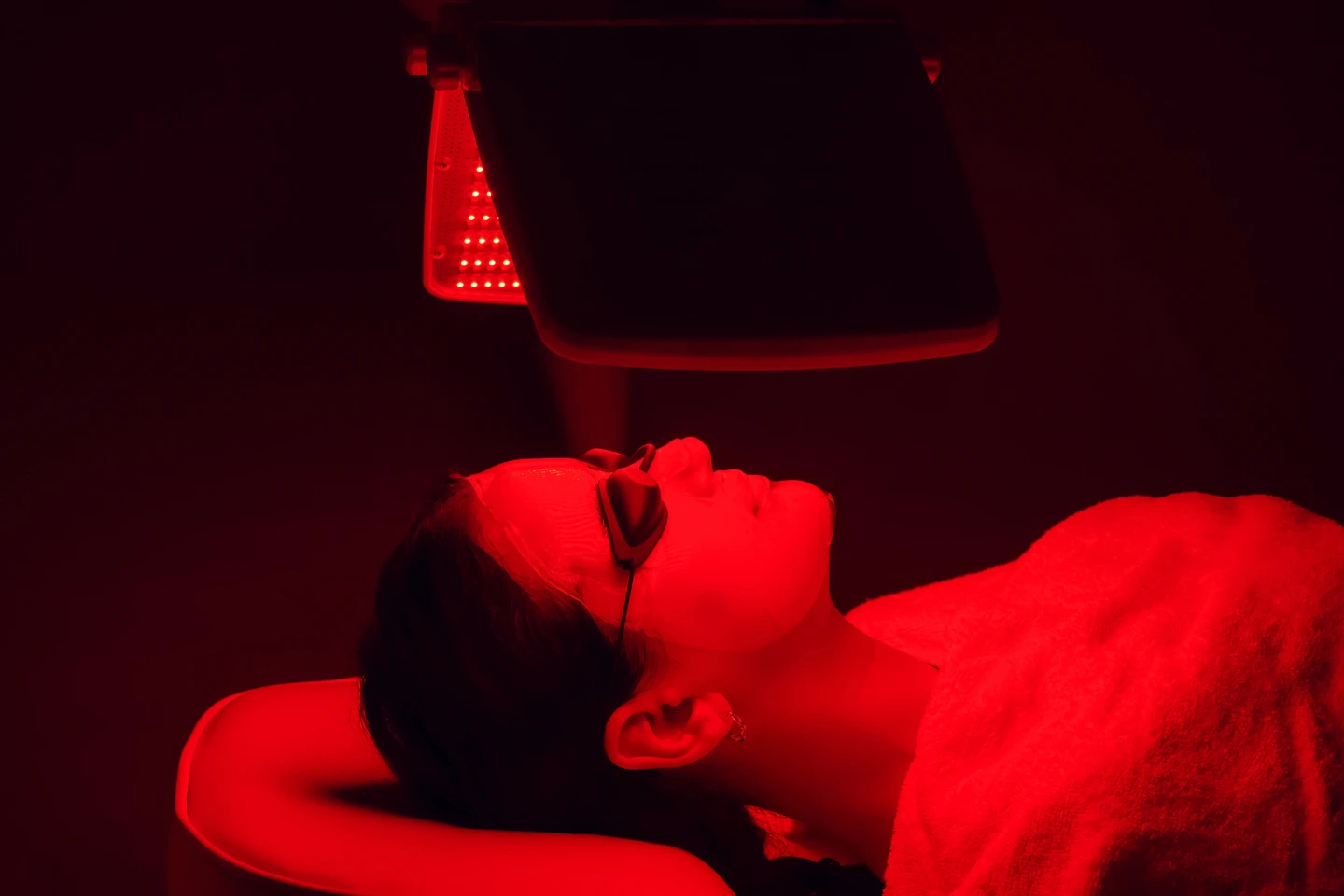
Hair loss affects millions of men and women and can be a source of frustration and self-consciousness. As interest in non-invasive treatments grows, red light therapy—also known as low-level laser therapy (LLLT)—has gained attention as a potential option for hair regrowth. But does it actually work, or is it just another trend?
At Western Reserve Dermatology, Inc., patients often ask whether red light therapy is effective, safe, and worth considering. This blog breaks down the science, benefits, limitations, and what you should realistically expect from red light therapy for hair loss.
Understanding Hair Loss: A Quick Overview
Hair loss can occur for many reasons, and identifying the cause is essential before choosing any treatment.
Common Types of Hair Loss
- Androgenetic alopecia (male and female pattern hair loss)
- Telogen effluvium (stress-related shedding)
- Alopecia areata (autoimmune-related hair loss)
- Hair thinning related to aging or hormonal changes
Red light therapy is most commonly studied and used for androgenetic alopecia, the most prevalent form of hair loss.
What Is Red Light Therapy?
Red light therapy uses low-level wavelengths of red or near-infrared light to stimulate cellular activity. In hair loss treatment, it is delivered through FDA-cleared devices such as helmets, caps, or panels designed to expose the scalp to therapeutic light.
This treatment is non-invasive, painless, and does not involve heat or chemicals, making it appealing to patients seeking gentler options.
How Red Light Therapy Is Thought to Work for Hair Loss
While research is ongoing, scientists believe red light therapy supports hair growth through several mechanisms.
Proposed Benefits at the Cellular Level
Red light therapy may:
- Increase blood flow to hair follicles
- Stimulate cellular energy production (ATP)
- Encourage follicles to shift from the resting phase to the growth phase
- Reduce inflammation around hair follicles
By improving the scalp environment, red light therapy may help follicles produce thicker, healthier hair.
What Does the Research Say?
Clinical studies suggest that red light therapy can be effective for certain individuals, particularly those with early to moderate pattern hair loss.
Key Findings from Research
- Studies show increased hair density and thickness in some patients
- Best results are seen with consistent, long-term use
- Outcomes vary based on age, genetics, and hair loss severity
It is important to note that red light therapy does not create new follicles. Instead, it works by stimulating existing follicles that are still viable.
Who Is Most Likely to Benefit from Red Light Therapy?
Red light therapy is not a one-size-fits-all solution.
Ideal Candidates Often Include:
- Men and women with early-stage hair thinning
- Patients with androgenetic alopecia
- Individuals looking for a non-invasive treatment
- Those willing to commit to consistent use
Patients with advanced baldness or inactive follicles may see limited improvement.
What Red Light Therapy Cannot Do
Understanding the limitations of red light therapy helps set realistic expectations.
Important Limitations
Red light therapy:
- Does not regrow hair on completely bald areas
- Does not replace medical or procedural treatments in advanced cases
- Requires ongoing use to maintain results
It is best viewed as a management and support therapy, not a cure.
What to Expect During Red Light Therapy Treatment
One of the advantages of red light therapy is its simplicity.
Typical Treatment Experience
- Sessions usually last 10–30 minutes
- Devices are used several times per week
- The treatment is painless and relaxing
- No downtime is required
Consistency is key. Most protocols recommend several months of regular use before evaluating results.
When Will You See Results?
Hair growth is a slow biological process, regardless of treatment type.
Typical Timeline
- 1–3 months: Reduced shedding for some patients
- 3–6 months: Early signs of thicker hair
- 6–12 months: More noticeable improvement in density
Results vary, and patience is essential.
Is Red Light Therapy Safe?
Red light therapy is considered safe when using FDA-cleared devices and following professional guidance.
Safety Profile
- Non-invasive and drug-free
- No damage to skin or hair when used correctly
- Minimal side effects, such as mild scalp warmth
Patients with certain medical conditions or scalp disorders should consult a dermatologist before starting treatment.
At-Home Devices vs In-Office Treatments
Red light therapy is available both at home and in clinical settings.
At-Home Devices
- Convenient and accessible
- Require consistent self-use
- Quality and effectiveness vary by device
Professional Guidance
Seeing a dermatologist ensures:
- Proper diagnosis of hair loss type
- Selection of appropriate treatment options
- Monitoring progress and adjusting plans
Professional evaluation helps determine whether red light therapy is right for you or whether additional treatments are needed.
Combining Red Light Therapy With Other Hair Loss Treatments
Red light therapy often works best as part of a comprehensive hair loss plan.
Common Complementary Approaches
- Topical or oral medications
- Medical-grade scalp treatments
- Platelet-rich plasma (PRP) therapy
- Lifestyle and nutritional support
Combining therapies can improve outcomes and slow progression more effectively than a single approach.
Managing Expectations: What Success Really Looks Like
Success with red light therapy is typically defined by:
- Slower hair loss progression
- Improved hair thickness
- Healthier-looking scalp and hair
While dramatic regrowth is uncommon, stabilization and visible improvement are realistic goals for many patients.
Why a Dermatologist’s Evaluation Matters
Hair loss can have multiple underlying causes, and treating the wrong condition can delay results.
A dermatologist can:
- Identify the type and cause of hair loss
- Recommend evidence-based treatments
- Rule out medical conditions contributing to shedding
- Create a personalized treatment plan
This professional guidance is especially important before investing time and money in long-term therapies.
How Western Reserve Dermatology, Inc. Approaches Hair Loss Care
At Western Reserve Dermatology, Inc., hair loss treatment begins with understanding the whole patient, not just the scalp. We focus on evidence-based solutions, realistic expectations, and individualized care.
Our approach includes:
- Thorough hair and scalp evaluations
- Education on treatment options and outcomes
- Personalized plans based on diagnosis and goals
- Ongoing support and monitoring
We believe informed patients make the best decisions about their care.
Final Thoughts
So, does red light therapy work for hair loss? For the right patients, yes, it can help. Red light therapy is a safe, non-invasive option that may improve hair thickness and slow hair loss progression, especially in early stages of androgenetic alopecia.
However, it is not a miracle cure and works best when used consistently and as part of a broader treatment strategy. A professional dermatologic evaluation is the best way to determine whether red light therapy is appropriate for your specific type of hair loss.
If you are concerned about hair thinning or shedding, a consultation with Western Reserve Dermatology, Inc. can help you explore proven solutions and create a plan that supports healthier hair and greater confidence over time.

Submit Your Query
Western Reserve Dermatology
24100 Chagrin Blvd #400, Beachwood, OH 44122
Phone: 216-378-1880

Office Hours
Monday: 8:00 AM–4:30 PM
Tuesday: 8:00 AM–4:30 PM
Wednesday: 12:30 PM – 4:30 PM
Thursday: 8:00 AM–4:30 PM
Friday: 8:00 AM–4:30 PM
First Saturday of each month: 8:00 AM–12:00 PM
Sunday: CLOSED
Patient appointment hours: Monday, Tuesday, Thursday, and Friday from 8:00 AM–2:30 PM.

At Western Reserve Dermatology, we recognize the uniqueness of each patient's health concerns.


Privacy Policy | © 2026 Western Reserve Dermatology | All rights reserved | Digital Marketing by Remedo