
Preparing for Skin Cancer Treatment: What to Expect in Beachwood, OH
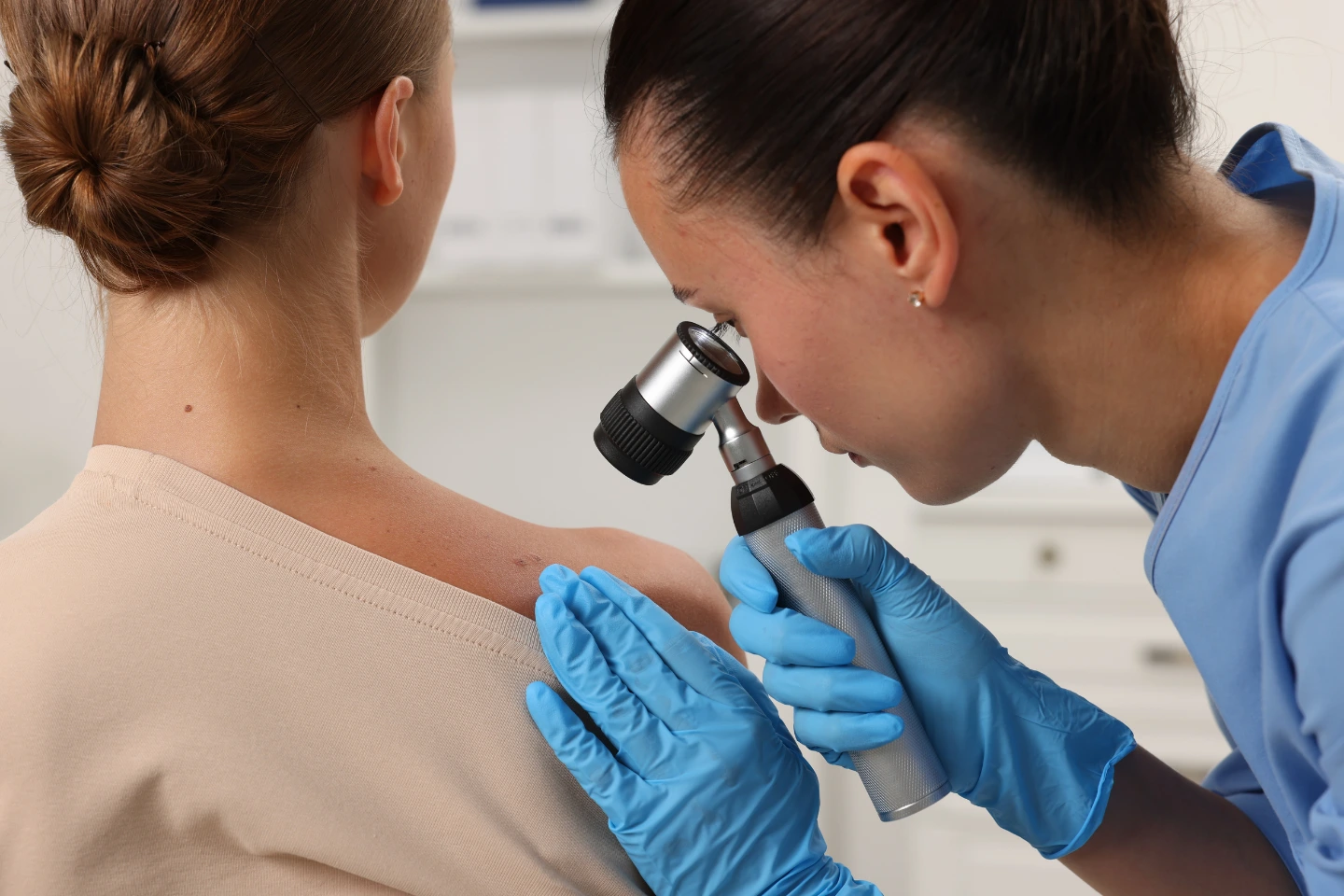
Finding out you have skin cancer can bring up a lot of different feelings. It is completely natural to feel worried, stressed, or unsure about what comes next. The most important thing to keep in mind right now is that you are not alone, and skin cancer is highly treatable when you catch it early. Taking the time to learn about your upcoming procedure is one of the best ways to calm your mind and feel more in control of your health.
When you are getting ready for medical treatment, having a trusted, local team by your side makes a huge difference. For residents looking for an experienced dermatologist in Beachwood, OH, Western Reserve Dermatology, Inc. is here to give you kind, high-quality care in a supportive setting. Let us walk through exactly how to get ready for your skin cancer treatment, what to expect on the day of your visit, and how to set yourself up for an easy recovery.
Understanding Your Skin Cancer Treatment Options
Skin cancer is not the same for everyone. Your specific treatment plan will depend mostly on the type of skin cancer you have, such as basal cell carcinoma, squamous cell carcinoma, or melanoma. The size, depth, and location of the spot also play a big part in picking the best medical approach.
Mohs Micrographic Surgery
For skin cancers located on visible or sensitive areas like the face, ears, neck, or hands, Mohs surgery is often the best option. During this special procedure, your dermatologist removes the visible tumor along with a very thin layer of the skin around it. This layer is checked under a microscope right away while you wait. The process is repeated until no cancer cells are left. This method offers the highest cure rate while saving as much healthy skin as possible.
Surgical Excision
A standard surgical excision is a common and simple procedure used for many types of skin tumors. Your doctor will numb the area with a local anesthetic and carefully cut out the cancerous growth along with a small safety margin of clean skin. The wound is then closed with stitches, and the tissue goes to a lab to make sure all the cancer was successfully removed.
Electrodesiccation and Curettage (ED&C)
This method is often used for surface-level basal cell or squamous cell cancers that sit on the top layer of the skin. The dermatologist scrapes away the cancer cells using a sharp, spoon-shaped tool called a curette. Then, an electric needle is used to stop any bleeding and destroy any remaining cancer cells. This cycle is typically done a few times during your visit.
How to Prepare in the Days Leading Up to Your Visit
Good preparation starts well before you walk through the office doors. Taking a few simple steps at home helps your procedure go smoothly and safely.
Review Your Medications and Supplements
It is vital to give your care team a complete list of everything you take. Certain prescription medicines, over-the-counter pain pills like aspirin or ibuprofen, and herbal supplements like vitamin E or ginkgo biloba can thin your blood and increase bleeding during surgery. Never stop taking a prescribed blood thinner without direct orders from your main doctor or heart specialist.
Plan for a Ride Home
Even though most skin cancer treatments are done using local anesthesia, meaning you are fully awake, the stress and length of the visit can leave you feeling tired. If your surgery is on your face or near your eyes, bandages might temporarily block your view. It is always best to ask a trusted friend or family member to drive you home safely.
Prepare a Comfortable Recovery Area at Home
Before you leave for your appointment, set up a relaxing spot at home with extra pillows to keep the treated area raised, which helps keep swelling down. Stock your kitchen with soft, easy-to-make foods, and make sure you have extra over-the-counter acetaminophen ready for normal pain management.
What to Expect on the Day of Your Treatment
Knowing how the day will flow can take away a lot of the fear of the unknown. The team at Western Reserve Dermatology, Inc. works hard to keep you comfortable from start to finish.
Getting Settled and Numbing the Area
When you arrive, the medical team will take you to a clean, comfortable treatment room. They will go over your medical history, answer your last-minute questions, and carefully mark the surgery site. The doctor will then inject a local anesthetic to completely numb the area. You might feel a quick pinch or sting, but within minutes, the whole spot will be completely numb, making sure you feel no pain during the procedure.
Managing the Waiting Periods
If you are having Mohs surgery, be ready to spend a few hours at the office. The lab work takes time for each layer of skin that is removed. Bring a good book, a tablet with your favorite shows, a light jacket, and some snacks to keep yourself comfortable during these waiting breaks.
Closing the Wound
Once the dermatologist is sure that all the cancer cells are gone, they will figure out the best way to close the wound. Depending on the size and location of the spot, they might use regular stitches, let the area heal on its own, do a small skin graft, or move a nearby skin flap to get the best visual and functional results.
Essential Post-Treatment Care for Best Results
Your recovery timeline depends a lot on how well you care for your surgical wound at home. Your medical team will give you detailed, written steps to follow for your specific case.
Keep the Initial Bandage Dry
Your doctor will put a pressure bandage over the spot to protect the wound and stop minor bleeding. You will usually need to keep this first dressing completely dry and untouched for the first 24 to 48 hours.
Gentle Cleaning and Ointment Application
Once you are allowed to take the first bandage off, wash the area gently with mild soap and water. Avoid scrubbing the wound. Apply a thick layer of plain petroleum jelly or a prescribed ointment to keep the spot moist, which helps the skin mend faster and cuts down on scarring. Cover the wound with a clean, fresh bandage every day.
Watch for Warning Signs
While mild swelling, bruising, and a little discomfort are completely normal for the first few days, you should keep an eye out for signs of infection. If you notice pain getting worse, severe redness spreading away from the wound, yellow pus, or if you run a fever, call your doctor right away.
Schedule Your Skin Evaluation at Western Reserve Dermatology, Inc. Today
Protecting your skin and taking care of your health concerns early is the best choice you can make for your future. At Western Reserve Dermatology, Inc., we mix advanced medical skill with real, human care to help put your mind at ease. Whether you need a regular skin cancer check, have a spot you want looked at, or are getting ready for a planned treatment, our dedicated team is here to help you every single step of the way. Contact Western Reserve Dermatology, Inc. today to set up your visit and let us help you keep your skin healthy and beautiful.
Frequently Asked Questions About Skin Cancer Treatment
Will my skin cancer treatment leave a scar?
Any treatment that cuts into the skin will leave some kind of scar. However, dermatologists are highly skilled in surgical methods designed to keep scars as small as possible. Over a few months, the early red or pink scar will naturally soften, flatten, and fade a lot. Protecting the healing wound from direct sunlight with clothes and sunscreen is vital for the best final look.
Is the treatment painful?
The procedure itself does not hurt because the area is completely numbed with local anesthesia. As the numbing medicine wears off later in the day, you might feel some mild soreness or a throbbing feeling. Most patients handle this discomfort easily with standard over-the-counter pain pills.
How long does the recovery process take?
The surface of the skin usually heals in about one to two weeks, which is typically when your stitches come out. However, full healing under the surface takes several months as the deeper layers rebuild. Most patients can go back to light daily tasks in a day or two, but you should avoid heavy lifting or hard workouts for at least a week to keep the wound from opening.
Can skin cancer come back after treatment?
While treatments like Mohs surgery have cure rates up to 99%, there is always a very small chance it could return. Also, if you have had skin cancer once, you have a higher risk of getting a new spot somewhere else. This is why regular full-body skin checks with your dermatologist are absolutely necessary for your long-term health.
Schedule Your Visit!
*First Name
*Last Name
Your Email
*Phone Number
*Preferred Appointment Date & Time
Comments
(Requested time is not final until you receive confirmation from our office) I allow this website to store my submission so they can respond to my inquiry
At Western Reserve Dermatology, we recognize the uniqueness of each patient's health concerns.


Privacy Policy | © 2026 Western Reserve Dermatology | All rights reserved | Digital Marketing by Remedo