
Chemical Peels vs. Other Skin Rejuvenation Treatments: Benefits and Differences
When you look in the mirror, you might notice things you wish you could change about your skin. Maybe it is dark spots from years in the sun, fine lines creeping in around your eyes, or stubborn acne scars that simply will not fade. The good news is that modern skincare offers more ways than ever to refresh your look and get smooth, glowing skin. The challenging part is figuring out which procedure is actually right for your specific goals.
If you have been looking into cosmetic treatments, you have likely heard a lot about chemical peels, microdermabrasion, and laser therapy. Every option promises a fresh, youthful glow, but they all work in completely different ways.
For anyone searching for a skilled and caring dermatologist in Beachwood, OH, the team at Western Reserve Dermatology, Inc. is here to help you understand your options. Let us compare chemical peels with other top skin treatments so you can find the perfect fit for your skin.
What Is a Chemical Peel and How Does It Work?
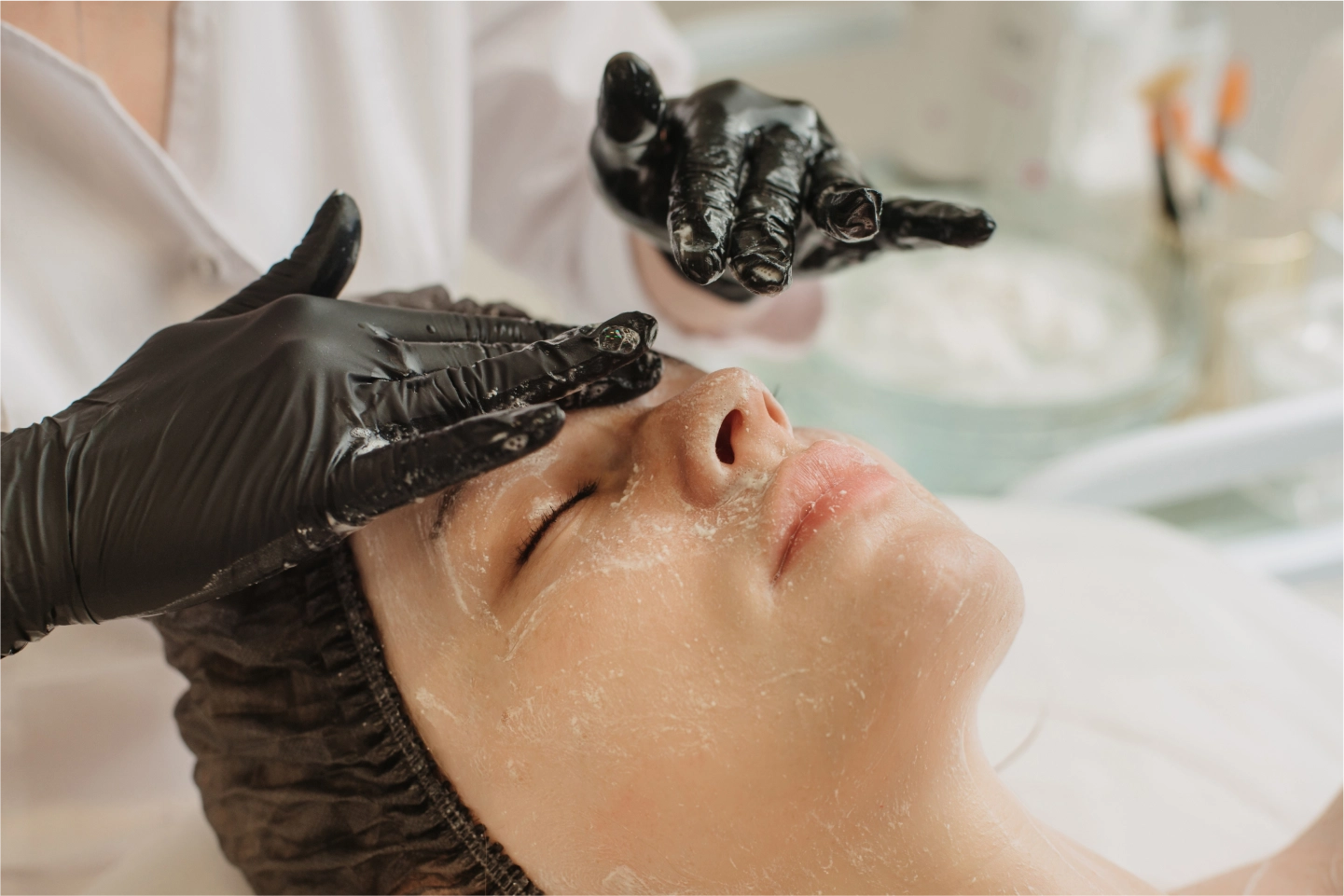
A chemical peel is a classic, highly reliable treatment designed to refresh the surface of your skin. During this treatment, your skincare provider applies a specific chemical solution to your face. This solution safely dissolves the bonds between old, dead skin cells, causing the top layers to eventually peel away.
Light, Medium, and Deep Peels
Chemical peels are not a one-size-fits-all option. They come in three main strengths depending on your goals. Light peels use gentle acids like glycolic or salicylic acid to give your skin a quick refresh with almost no downtime. Medium peels go a bit deeper to treat more noticeable sun damage and deeper lines. Deep peels use strong solutions for significant changes but require a longer recovery time.
The Main Benefits
Chemical peels are incredible for fixing uneven skin tone, wiping out dark spots, smoothing rough patches, and even clearing up active acne. As the old skin sheds, it triggers your body to produce fresh collagen, making your skin look tighter and brighter.
Chemical Peels vs. Microdermabrasion
Microdermabrasion is another incredibly popular option for smoothing out the skin, but the way it achieves results is entirely different from a chemical peel.
Mechanical vs. Chemical Exfoliation
The biggest difference lies in the method. While a chemical peel uses a liquid solution to dissolve dead skin, microdermabrasion uses a mechanical tool. Your provider uses a special wand with a diamond tip or a stream of tiny crystals to physically scrub away the very top layer of dead skin cells while a gentle vacuum suctions them away.
When to Choose Microdermabrasion
Because microdermabrasion only touches the absolute surface of your skin, it is a very gentle process. It is fantastic for a quick glow before a big event, but it cannot reach deep enough to fix severe wrinkles, deep acne scars, or dark hormonal discoloration. If you have deep-set skin concerns, a medium chemical peel will give you much better results.
Chemical Peels vs. Laser Skin Resurfacing
Laser treatments have become incredibly popular over the last few years, offering advanced technology to target aging skin.
Light Energy vs. Chemical Exfoliation
While chemical peels rely on acids to remove skin layers, laser skin resurfacing uses highly focused beams of light energy. These lasers penetrate the skin to create microscopic zones of heat damage. This heat forces your body into a rapid healing mode, which pumps out massive amounts of new collagen and elastin.
Comparing the Target Concerns
Lasers are exceptional for tightening loose skin, smoothing deep wrinkles, and removing dark birthmarks or visible blood vessels. However, laser treatments are usually much more expensive than chemical peels and often require more downtime. For surface issues like a dull complexion, minor acne scars, or general sun spots, a series of chemical peels can often give you beautiful results at a lower cost.
Chemical Peels vs. Microneedling
Microneedling is another widely loved procedure that focuses heavily on rebuilding the structure of your skin from the inside out.
Physical Needles vs. Surface Shedding
During a microneedling session, your provider uses a device fitted with tiny, sterile needles to create thousands of invisible punctures in the top layer of your skin. Just like lasers, these tiny wounds trigger your body's natural healing process to build new collagen.
Finding the Right Match
Microneedling is a gold standard for treating deep, pitted acne scars and large pores because it works deep within the skin layers without removing the surface. Chemical peels, on the other hand, excel at erasing pigmentation problems and smoothing out rough surface textures. Sometimes, your dermatologist might even recommend alternating between both treatments to give you the ultimate skin transformation.
How to Choose the Right Treatment for Your Skin
With so many amazing options on the table, picking the right one comes down to three main factors: your skin type, your budget, and how much downtime you can afford.
Assess Your Main Concern
If your main goal is to get rid of brown spots, freckles, or active acne, a chemical peel is incredibly hard to beat. If you are more worried about sagging skin or deep wrinkles around your mouth, a laser treatment or microneedling might be the better path forward.
Consider the Downtime
Light chemical peels and microdermabrasion allow you to apply makeup and return to work immediately. Medium peels will cause your skin to flake and look like a sunburn for three to seven days. Deep peels and intensive laser treatments can require a week or more of dedicated healing time at home.
Schedule Your Skin Consultation at Western Reserve Dermatology, Inc. Today
Your skin is entirely unique, and it deserves a treatment plan designed just for you. At Western Reserve Dermatology, Inc., we take the time to listen to your goals, examine your skin type, and guide you toward the safest and most effective choices. Whether you want to try a refreshing chemical peel or explore other modern skin therapies, our friendly, professional team is ready to help you love your skin again. Contact Western Reserve Dermatology, Inc. today to set up your appointment and take the first step toward a bright, confident glow.
Frequently Asked Questions About Skin Rejuvenation
Do chemical peels hurt?
With light peels, most patients only feel a mild tingling or warm sensation that goes away as soon as the solution is neutralized. Medium peels can cause a stronger stinging or burning feeling during the application, but the team will use cool fans and cold compresses to keep you perfectly comfortable throughout the process.
Can people with darker skin tones get chemical peels?
Yes, but it requires a very careful approach. Certain deep peels can cause hyperpigmentation, or dark spots, on darker skin tones if not handled correctly. If you have a deeper complexion, it is vital to see an experienced dermatologist who knows exactly which gentle acids and strengths are safe and effective for your specific skin type.
How many treatments will I need to see real results?
For gentle treatments like light chemical peels, microdermabrasion, or microneedling, you will usually see the best results after a series of three to six sessions spaced a few weeks apart. For deep chemical peels or intensive laser resurfacing, you can often achieve dramatic, long-lasting changes after just a single session.
What should I do after my skin rejuvenation treatment?
No matter which option you choose, your skin will be extra sensitive to the sun afterward. Wearing a high-quality, broad-spectrum sunscreen every single day is absolutely non-negotiable to protect your fresh skin and prevent new sun damage. You should also stick to a gentle, hydrating cleanser and avoid using harsh anti-aging creams or scrubs for a few days.
Schedule Your Visit!
*First Name
*Last Name
Your Email
*Phone Number
*Preferred Appointment Date & Time
Comments
(Requested time is not final until you receive confirmation from our office) I allow this website to store my submission so they can respond to my inquiry
At Western Reserve Dermatology, we recognize the uniqueness of each patient's health concerns.


Privacy Policy | © 2026 Western Reserve Dermatology | All rights reserved | Digital Marketing by Remedo