
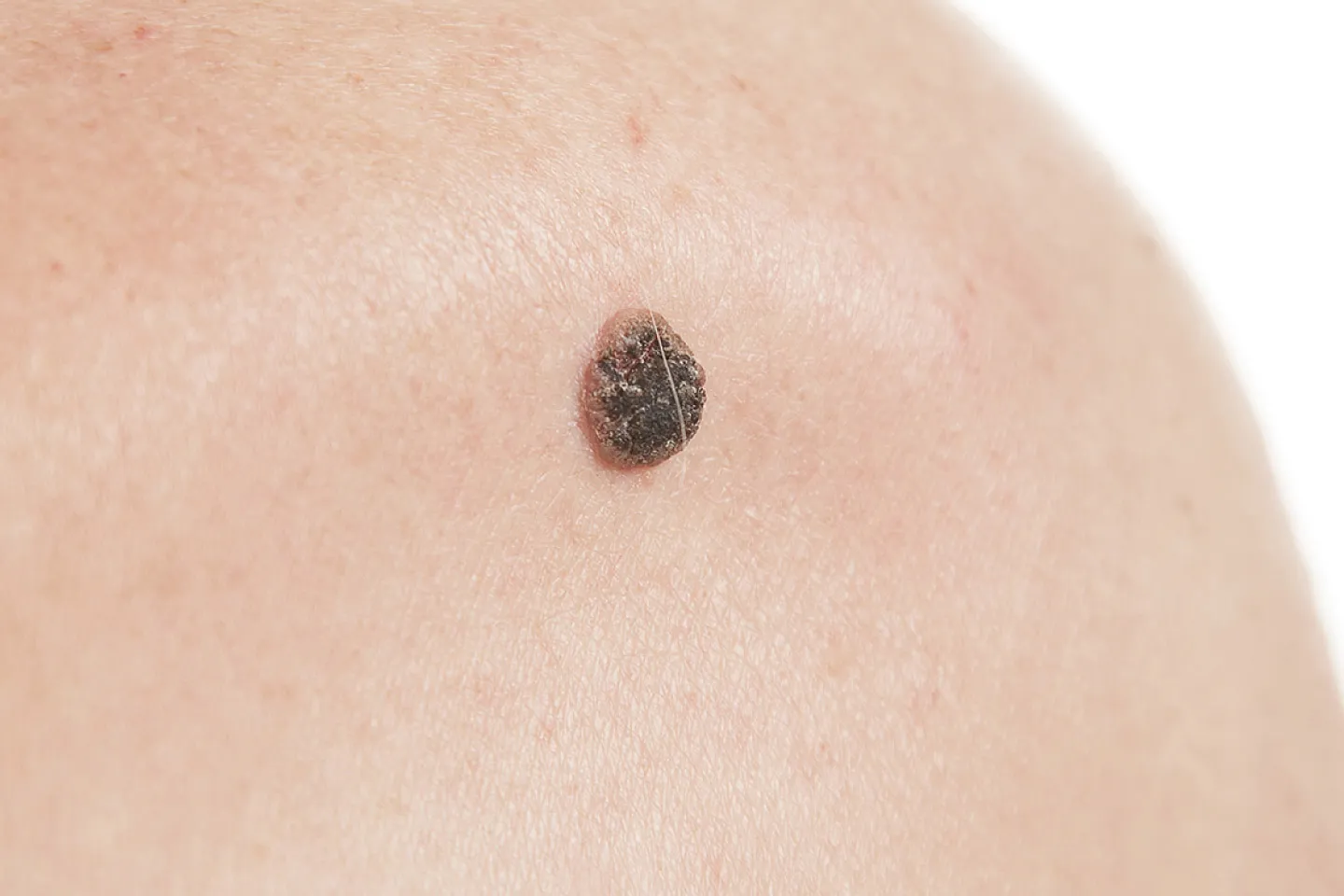
When people hear the word "cancer," it often triggers an immediate sense of panic. However, not all cancers behave the same way. Basal Cell Carcinoma, or BCC, is the most common form of cancer in the world, yet it is also one of the most treatable when caught early. If you have noticed a new spot that just won't go away, or a "pimple" that bleeds every time you wash your face, you might be looking at a sign of BCC.
At Western Reserve Dermatology, we believe that education is the first step in skin safety. As a leading dermatologist in Beachwood, OH, our team is here to help you understand what this condition is, how to spot it, and why early intervention is your best friend.
What Exactly Is Basal Cell Carcinoma?
Basal Cell Carcinoma is a type of skin cancer that begins in the basal cells. These are the round cells found in the lower part of the epidermis (the outer layer of your skin). Their main job is to produce new skin cells to replace the old ones that flake off.
When the DNA in these cells is damaged, usually by long-term exposure to ultraviolet (UV) radiation from the sun or tanning beds, the cells start to grow out of control. This results in a tumor or lesion on the surface of the skin.
The good news is that BCC is typically very slow-growing. Unlike some other cancers, it rarely spreads (metastasizes) to other parts of the body. However, if left untreated, it can grow deep into the surrounding tissue, bone, and nerves, leading to significant disfigurement. This is why seeing a dermatologist in Beachwood, OH, at the first sign of a change is so critical.
Recognizing the Signs and Symptoms
One of the trickiest things about BCC is that it doesn't always look like "cancer." It can be quite subtle, often mimicking common skin issues like a stubborn blemish or a patch of dry skin. At Western Reserve Dermatology, we tell our patients to watch for these five common appearances:
1. The Pearly Bump
This is the most common sign. It often looks like a shiny, skin-colored, or slightly translucent bump. On lighter skin, it might look pearly white or pink. On darker skin tones, a dermatologist in Beachwood, OH might identify it as a brown or glossy black bump. You may even see tiny blood vessels (telangiectasia) on the surface that look like little red spider webs.
2. An Open Sore That Won't Heal
Does a spot on your face bleed, crust over, and then seem to "heal," only to start bleeding again a few weeks later? This "wash-rinse-repeat" cycle of a non-healing sore is a classic red flag for BCC.
3. A Red, Irritated Patch
Sometimes BCC looks like a flat, scaly red patch. It might itch or feel uncomfortable, causing many people to mistake it for eczema or psoriasis. If a red patch persists for more than a few weeks despite using moisturizer, it's time to visit Western Reserve Dermatology.
4. A Scar-Like Area
This is a more aggressive form of BCC called morpheaform. It looks like a flat, firm, white, or yellow area that resembles a scar, even though you never had an injury there. This type can be hard to spot because its borders are often poorly defined.
5. A Pink Growth with a Rolled Edge
Some BCCs look like small pink growths with a slightly raised, "rolled" border and a crusted indentation in the center. As it grows, tiny blood vessels may become visible.
Who Is at Risk for Basal Cell Carcinoma?
While anyone can develop BCC, certain factors make it more likely. At Western Reserve Dermatology, we see patients from all walks of life, but we often see higher risks in those with:
- Fair Skin: People with light skin, blonde or red hair, and blue or green eyes are more susceptible to UV damage.
- History of Sun Exposure: If you spent your younger years working outdoors or frequenting tanning beds, the cumulative damage may catch up with you later in life.
- Age: BCC is most common in adults over 50, but we are seeing an increasing number of cases in people in their 20s and 30s.
- Personal History: If you have had one BCC, you are at a much higher risk of developing another one.
Even if you don't fit these categories, regular checkups with a dermatologist in Beachwood, OH, are the best way to stay protected.
When to See a Doctor
The rule of thumb in dermatology is: "When in doubt, check it out." You should schedule an appointment at Western Reserve Dermatology if you notice any new growth, a sore that doesn't heal within three weeks, or a spot that changes in size, shape, or color. We use a simple, quick biopsy to determine if a spot is cancerous. If it is BCC, we catch it early enough to offer a wide range of highly effective, minimally invasive treatments.
Waiting even a few months can make the treatment more complex. As a trusted dermatologist in Beachwood, OH, our goal is to handle these spots while they are small, ensuring the best cosmetic result and the easiest recovery for you.
Frequently Asked Questions
Q: Is Basal Cell Carcinoma life-threatening?
A: It is extremely rare for BCC to be fatal. However, it is "locally invasive," meaning it will continue to grow and destroy the skin and bone around it if ignored. Early treatment at Western Reserve Dermatology prevents this.
Q: Will I need surgery if I have BCC?
A: Surgery is a common and highly successful treatment, but it isn't the only option. Depending on the size and type of the BCC, your dermatologist in Beachwood, OH might suggest topical creams, light therapy, or even freezing the spot (cryosurgery).
Q: Can I prevent BCC?
A: While you can't change your genetics, you can protect your skin! Wear broad-spectrum SPF 30+ every day (yes, even during cloudy Ohio winters), wear wide-brimmed hats, and avoid the sun during peak hours (10 a.m. to 4 p.m.).
Q: Does a BCC diagnosis mean I'll get more skin cancers?
A:Having one BCC does increase your risk for others. This is why we recommend that our BCC patients come in for a full-body skin exam at Western Reserve Dermatology at least once or twice a year.
Protect Your Skin with Western Reserve Dermatology
Your skin is your body's largest organ and its first line of defense. Taking care of it means paying attention to the small changes. If you have a spot that feels "off" or just won't heal, don't let anxiety keep you away from the clinic.
At Western Reserve Dermatology, we pride ourselves on being a welcoming dermatology practice in Beachwood, OH. Dr. Faith Durden and our dedicated team are here to provide clear answers, gentle care, and the peace of mind that comes with knowing your skin is in expert hands.

Submit Your Query
Western Reserve Dermatology
24100 Chagrin Blvd #400, Beachwood, OH 44122
Phone: 216-378-1880

Office Hours
Monday: 8:00 AM–4:30 PM
Tuesday: 8:00 AM–4:30 PM
Wednesday: 12:30 PM – 4:30 PM
Thursday: 8:00 AM–4:30 PM
Friday: 8:00 AM–4:30 PM
First Saturday of each month: 8:00 AM–12:00 PM
Sunday: CLOSED
Patient appointment hours: Monday, Tuesday, Thursday, and Friday from 8:00 AM–2:30 PM.

At Western Reserve Dermatology, we recognize the uniqueness of each patient's health concerns.


Privacy Policy | © 2026 Western Reserve Dermatology | All rights reserved | Digital Marketing by Remedo