
Basal Cell Carcinoma: Early Detection and Effective Treatment Choices
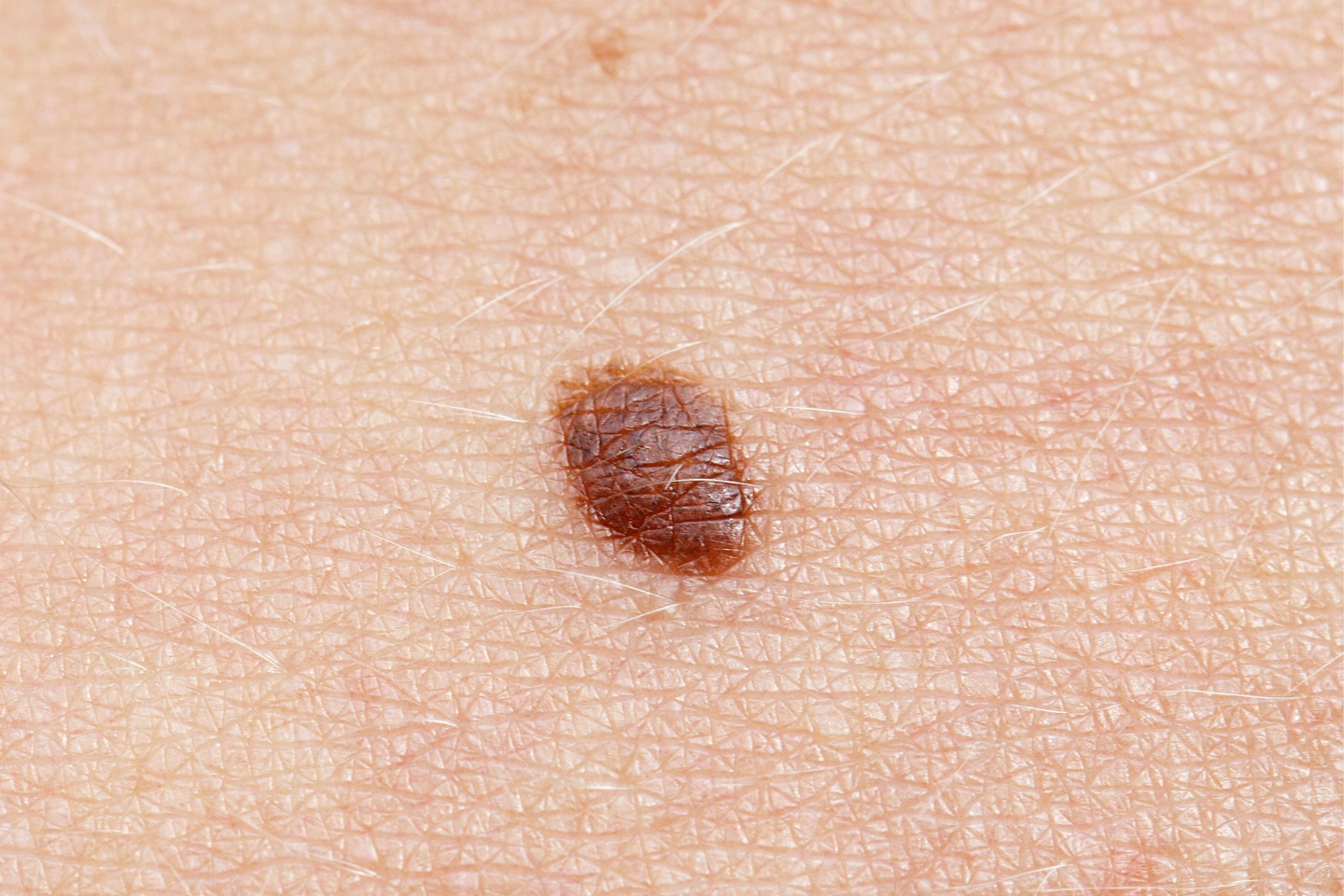
Finding a new spot on your skin can be a nerve-wracking experience. You might wonder if that small, pearly bump is just a pimple that won't heal or something more serious. If you are searching for a dermatologist in Beachwood, OH, to evaluate a suspicious growth, you are likely looking for clarity and a plan of action. At Western Reserve Dermatology, we want to provide you with the facts and the reassurance you need to handle one of the most common forms of skin cancer: Basal Cell Carcinoma (BCC).
While the word "cancer" is always heavy, the good news is that Basal Cell Carcinoma is highly treatable when caught early. It is a slow-growing cancer that rarely spreads to other parts of the body, but it can cause significant local damage if ignored. Understanding what to look for and knowing your treatment options is the best way to protect your health and your skin.
What Exactly Is Basal Cell Carcinoma?
Basal Cell Carcinoma begins in the basal cells, which are found in the lower part of the epidermis (the outer layer of your skin). These cells are responsible for producing new skin cells as old ones die off. When DNA damage—usually from long-term exposure to ultraviolet (UV) radiation from the sun or tanning beds—triggers mutations in these cells, they begin to multiply uncontrollably, forming a lesion.
At Western Reserve Dermatology, we often see BCC in areas that get the most sun exposure, such as the face, scalp, neck, and shoulders. However, it can appear anywhere. Because it grows so slowly, many people mistake it for a minor skin irritation or a sore that periodically scabs over and then returns.
The Appearance: What to Watch For
Basal Cell Carcinoma doesn't always look the same on everyone. When you visit a dermatologist in Beachwood, OH, for a skin check, we look for several specific "personalities" of BCC:
- The Pearly Bump: A shiny, skin-colored, or pinkish bump that is translucent. You might even see tiny blood vessels (telangiectasia) on the surface.
- The Non-Healing Sore: An open sore that bleeds, oozes, or crusts and remains open for several weeks.
- The Red Patch: A persistent, scaly red patch that might itch or hurt, often found on the chest or back.
- The Scar-Like Lesion: A flat, white, or yellow area that looks like a scar and has poorly defined borders. This version is often more aggressive and requires immediate attention.
Why Early Detection Is Critical
Even though BCC is rarely life-threatening, it is "locally invasive." This means if it is left to grow, it can burrow deep into the surrounding tissue, muscle, and even bone. Early detection at Western Reserve Dermatology allows for simpler, less invasive treatments that preserve more of your healthy tissue and minimize scarring. This is especially important for lesions located on the nose, ears, or eyelids.
Your Treatment Options at Western Reserve Dermatology
Once a biopsy confirms a diagnosis of Basal Cell Carcinoma, your dermatologist in Beachwood, OH, will discuss the best path forward. The choice of treatment depends on the size, location, and subtype of the cancer, as well as your overall health.
Mohs Micrographic Surgery
For BCCs in cosmetically sensitive areas like the face, Mohs surgery is often the gold standard. During this procedure, the surgeon removes the visible tumor along with a very thin layer of surrounding tissue. This layer is immediately examined under a microscope. If cancer cells are still present, another thin layer is removed. This continues until only cancer-free tissue remains. This method offers the highest cure rate while sparing the maximum amount of healthy skin.
Excisional Surgery
In a standard excision, the doctor numbs the area and cuts out the entire tumor along with a safety margin of healthy skin. The site is closed with stitches, and the removed tissue is sent to a lab to ensure the margins are clear. This is a common and effective choice for BCCs on the trunk or limbs.
Curettage and Electrodessication (C&E)
This is often used for small, superficial BCCs. The dermatologist scrapes away the cancer with a tool called a curette and then uses an electric needle to cauterize the area and kill any remaining cancer cells. It is a quick procedure that usually doesn't require stitches, though it may leave a small, round scar.
Topical Treatments and Radiation
For very superficial cases or for patients who cannot undergo surgery, we may recommend medicated creams that stimulate the immune system to attack the cancer cells. In other cases, specialized radiation therapy can be used to destroy the tumor. At Western Reserve Dermatology, we weigh all these factors to ensure your treatment fits your life.
Prevention: Your Best Defense
While we have excellent treatments available, prevention is always the goal. Protecting your skin from the Ohio sun—even on cloudy days—is essential. We recommend wearing a broad-spectrum SPF 30 or higher, seeking shade during peak hours (10 a.m. to 4 p.m.), and wearing protective clothing like wide-brimmed hats.
Most importantly, you should perform monthly self-exams and visit a dermatologist in Beachwood, OH, for an annual professional skin screening. If you have a history of significant sunburns or a previous skin cancer diagnosis, these regular checkups at Western Reserve Dermatology are your safety net.
Trust Your Skin to Western Reserve Dermatology
At Western Reserve Dermatology, we understand that a skin cancer diagnosis can feel overwhelming. Our mission is to guide you through the process with compassion, expertise, and a commitment to excellence. We use the latest diagnostic tools and surgical techniques to ensure that your treatment is successful and your recovery is smooth.
As a leading dermatologist in Beachwood, OH, we are proud to serve our community by providing life-saving skin checks and advanced dermatological care. We believe that informed patients are empowered patients, and we are always here to answer your questions and ease your concerns.
Schedule Your Skin Check at Western Reserve Dermatology Today
Don't ignore that "pimple" that won't go away or that scaly patch that keeps bleeding. Early intervention is the key to a simple and effective cure. If you need a trusted dermatologist in Beachwood, OH, reach out to our team at Western Reserve Dermatology. We will perform a thorough examination and, if necessary, create a personalized treatment plan that prioritizes your health and your peace of mind. Call us today or visit our website to book your appointment. Your skin is your body’s first line of defense; let us help you take care of it!

Submit Your Query
Western Reserve Dermatology
24100 Chagrin Blvd #400, Beachwood, OH 44122
Phone: 216-378-1880

Office Hours
Monday: 8:00 AM–4:30 PM
Tuesday: 8:00 AM–4:30 PM
Wednesday: 12:30 PM – 4:30 PM
Thursday: 8:00 AM–4:30 PM
Friday: 8:00 AM–4:30 PM
First Saturday of each month: 8:00 AM–12:00 PM
Sunday: CLOSED
Patient appointment hours: Monday, Tuesday, Thursday, and Friday from 8:00 AM–2:30 PM.

At Western Reserve Dermatology, we recognize the uniqueness of each patient's health concerns.


Privacy Policy | © 2026 Western Reserve Dermatology | All rights reserved | Digital Marketing by Remedo